Douro
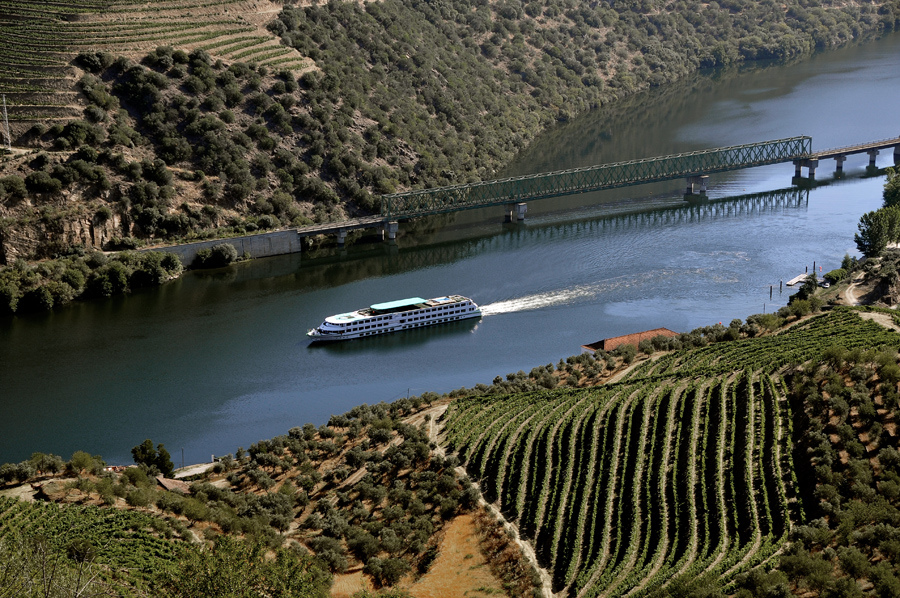
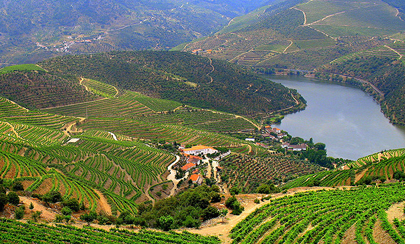
A Região Vinhateira do Alto Douro ou Alto Douro Vinhateiro é uma área do nordeste de Portugal com mais de 26 mil hectares, classificada pela UNESCO, em 14 de Dezembro de 2001, como Património da Humanidade, na categoria de paisagem cultural e rodeada de montanhas que lhe dão características mesológicas e climáticas particulares. Esta região, que é banhada pelo Rio Douro e faz parte do chamado Douro Vinhateiro, produz vinho há mais de 2000 anos, entre os quais, o mundialmente célebre vinho do Porto.
As suas origens remontam à segunda metade do século XVII, altura em que o Vinho do Porto começa a ser produzido e exportado em quantidade, especialmente para a Inglaterra. Contudo, os elevados lucros obtidos com as exportações para a Inglaterra viriam a gerar situações de fraude, de abuso e de adulteração da qualidade do vinho generoso. Os principais produtores de vinho durienses exigem então a intervenção do governo e a 10 de Setembro de 1756, é finalmente criada a "Companhia Geral da Agricultura das Vinhas do Alto Douro".Para demarcar o espaço físico da região foram então mandados implantar 201 marcos de granito. No ano de 1761 são colocados mais 134 marcos pombalinos, perfazendo então um total de 335. Já em 10 de Maio de 1907, ao abrigo do decreto assinado por João Franco, a região demarcada é novamente delimitada, estendendo-se para o Douro Superior. A longa tradição de viticultura produziu uma paisagem cultural de beleza excepcional que reflecte a sua evolução tecnológica, social e económica. O Vinho do Porto é um vinho natural e fortificado, produzido exclusivamente a partir de uvas tintas provenientes da Região Demarcada do Douro, no Norte de Portugal a cerca de 100 km a leste da cidade do Porto. Régua e Pinhão são os principais centros de produção, mas algumas das melhores vinhas ficam na zona mais a leste. Apesar de produzida com uvas do Douro e armazenada nas caves de Vila Nova de Gaia, esta bebida alcoólica ficou conhecida como "vinho do Porto" a partir da segunda metade do século XVII por ser exportada para todo o mundo a partir desta cidade. Vila Nova de Gaia é o local com maior concentração de álcool por metro quadrado do mundo.
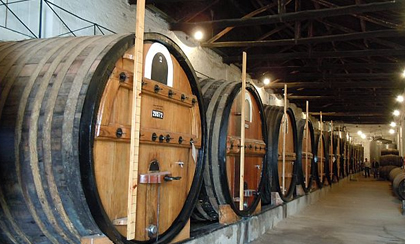
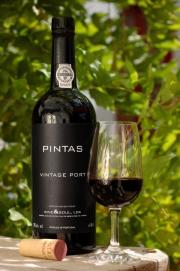
A "descoberta" do vinho do Porto é polémica. Uma das versões, defendida pelos produtores da Inglaterra, refere que a origem data do século XVII, quando os mercadores britânicos adicionaram brandy ao vinho da região do Douro para evitar que ele azedasse. Mas o processo que caracteriza a obtenção do precioso néctar era já conhecido bem antes do início do comércio com os ingleses. Já na época dos Descobrimentos o vinho era armazenado desta forma para se conservar um máximo de tempo durante as viagens. A diferença fundamental reside na zona de produção e nas castas utilizadas, hoje protegidas. A empresa Croft foi das primeiras a exportar vinho do Porto, seguida por outras empresas inglesas e escocesas. O que torna o vinho do Porto diferente dos restantes vinhos, além do clima único, é o facto de a fermentação do vinho não ser completa, sendo parada numa fase inicial (dois ou três dias depois do início), através da adição de uma aguardente vínica neutra (com cerca de 77º de álcool). Assim o vinho do Porto é um vinho naturalmente doce (visto o açúcar natural das uvas não se transforma completamente em álcool) e mais forte do que os restantes vinhos (entre 19 e 22º de álcool). Fundamentalmente consideram-se três tipos de vinhos do Porto: Branco, Ruby e Tawny.
The Alto Douro Wine Country and Alto Douro Wine Region is an area of northeastern Portugal with more than 26 thousand hectares, UNESCO, on December 14, 2001, as a World Heritage Site in the category of cultural landscape and surrounded by mountains you give mesological particular characteristics and climate. This region, which is bounded by the River Douro and is part of the Douro Wine Region called, produces wine for over 2000 years, including the world-famous Port wine.
Its origins date back to the second half of the seventeenth century, when the Port begins to be produced and exported in quantity, especially to England. However, the high profits earned from exports to Britain were to generate situations of fraud, abuse and tamper-quality fortified wine. The main producers of Douro wine then require government intervention and the September 10, 1756, is finally created the "General Company of Agriculture of the Upper Douro Vineyards" .To demarcate the physical space of the region were then sent deploy 201 landmarks granite. In the year 1761 over 134 pombalinos are placed landmarks, then a total of 335 early as May 10, 1907, under the decree signed by John Franco, the demarcated region is bounded again, extending the Douro Superior. The long tradition of viticulture has produced a cultural landscape of outstanding beauty that reflects its technological, social and economic developments. The Port is a natural and fortified wine produced exclusively from grapes from the Douro Region, North Portugal about 100 miles east of Porto. Ruler and pinion are the main centers of production, but some of the best vineyards lie in the area further east. Although produced with grapes from the Douro and stored in the cellars of Vila Nova de Gaia, this alcoholic beverage became known as "Port wine" from the second half of the seventeenth century to be exported around the world from this city. Vila Nova de Gaia is the place with the highest concentration of alcohol per square meter in the world.
The "discovery" of Port wine is controversial. One version, championed by producers of England, states that the origin dating from the seventeenth, when British merchants added brandy to the wine from the Douro century to prevent it soured. But the process that characterizes the attainment of the precious nectar was known well before the start of trade with the English. Already at the time of the Discoveries wine was stored this way to save a maximum of time during travel. The fundamental difference lies in the production area and in today protected varieties used. The Croft was the first company to export port, followed by other English and Scottish companies. What makes the wine in the wine than the other port, besides the unique climate, is that the fermentation of wine is not complete, it was stopped at an early stage (two or three days after the initiation), by addition of a brandy vinous neutral (about 77 alcohol). Thus the Port wine is a naturally sweet wine (since the natural sugar of the grapes not completely transformed into alcohol) and stronger than other wines (between 19 and 22 of alcohol). Fundamentally consider three types of port wines: White, Ruby and Tawny.